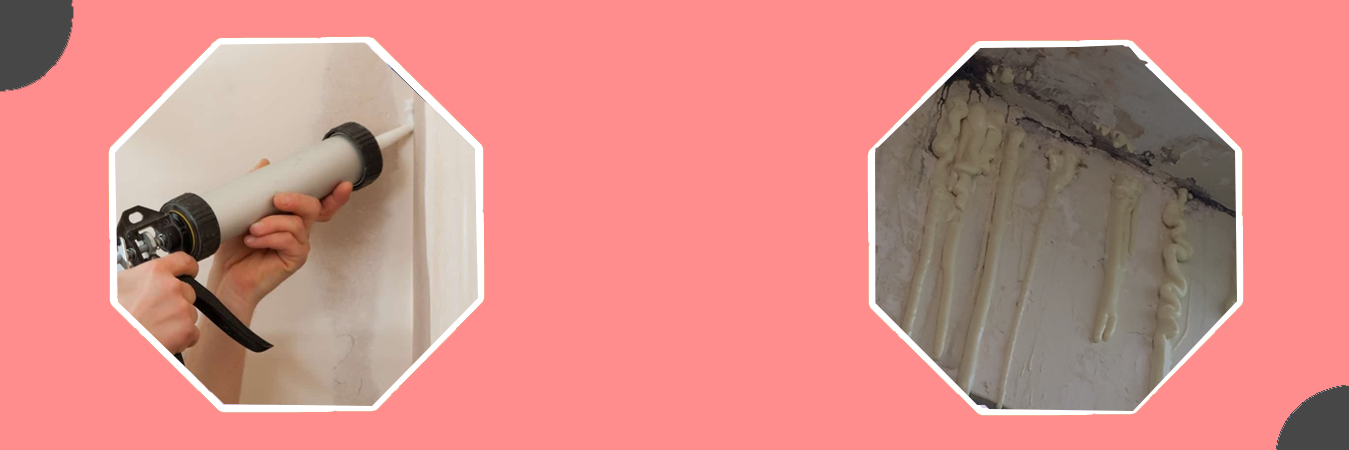

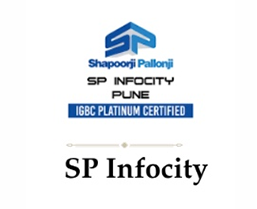













Polyurethane (PU) injection, also known as pressure concrete injection in a broader sense when applied to concrete structures, is an effective method for improving the mechanical and sealing properties of soil, rock, and various constructions, including concrete.
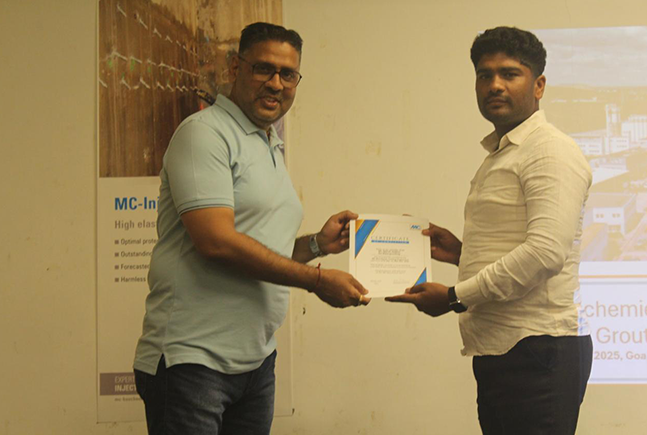
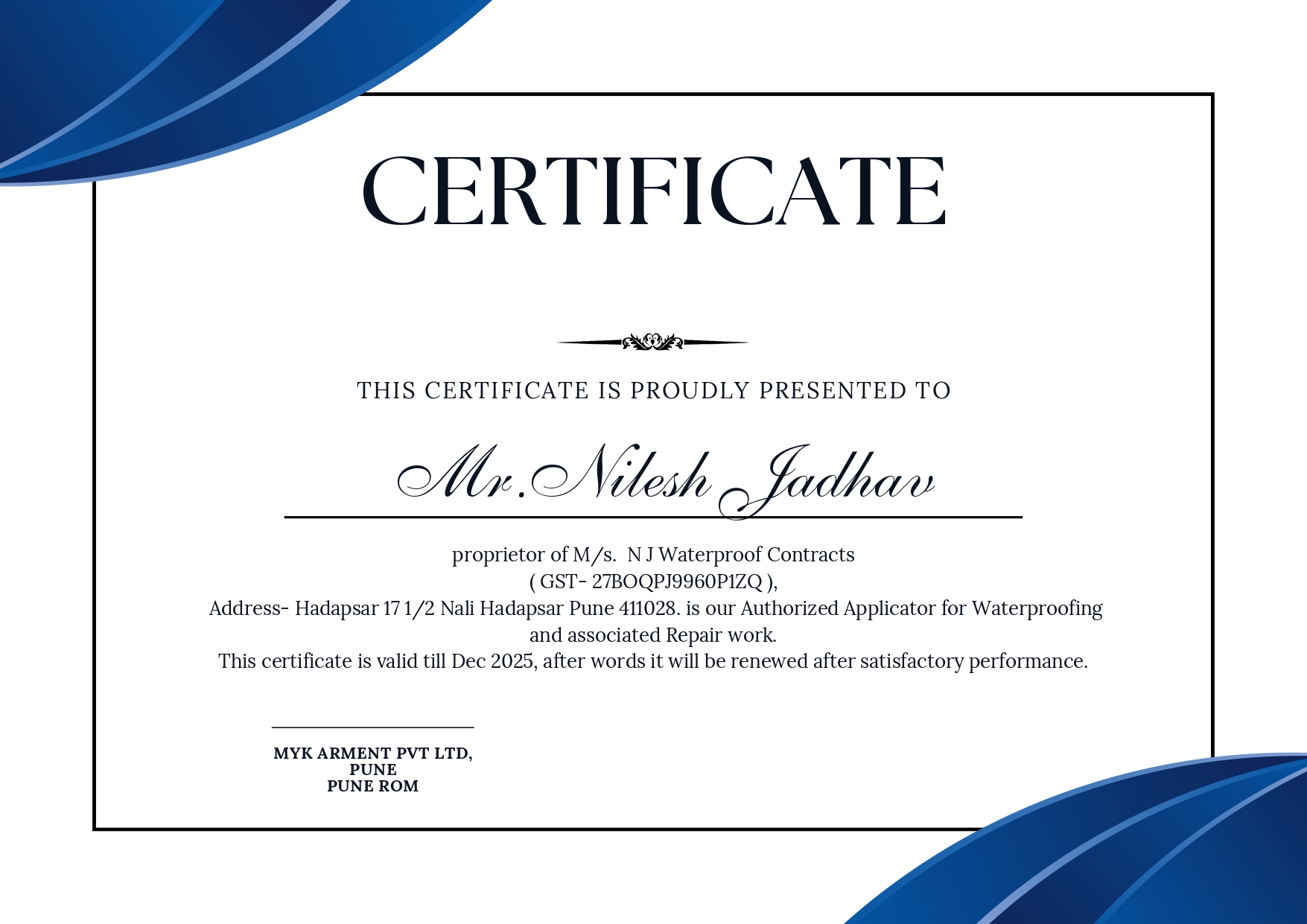
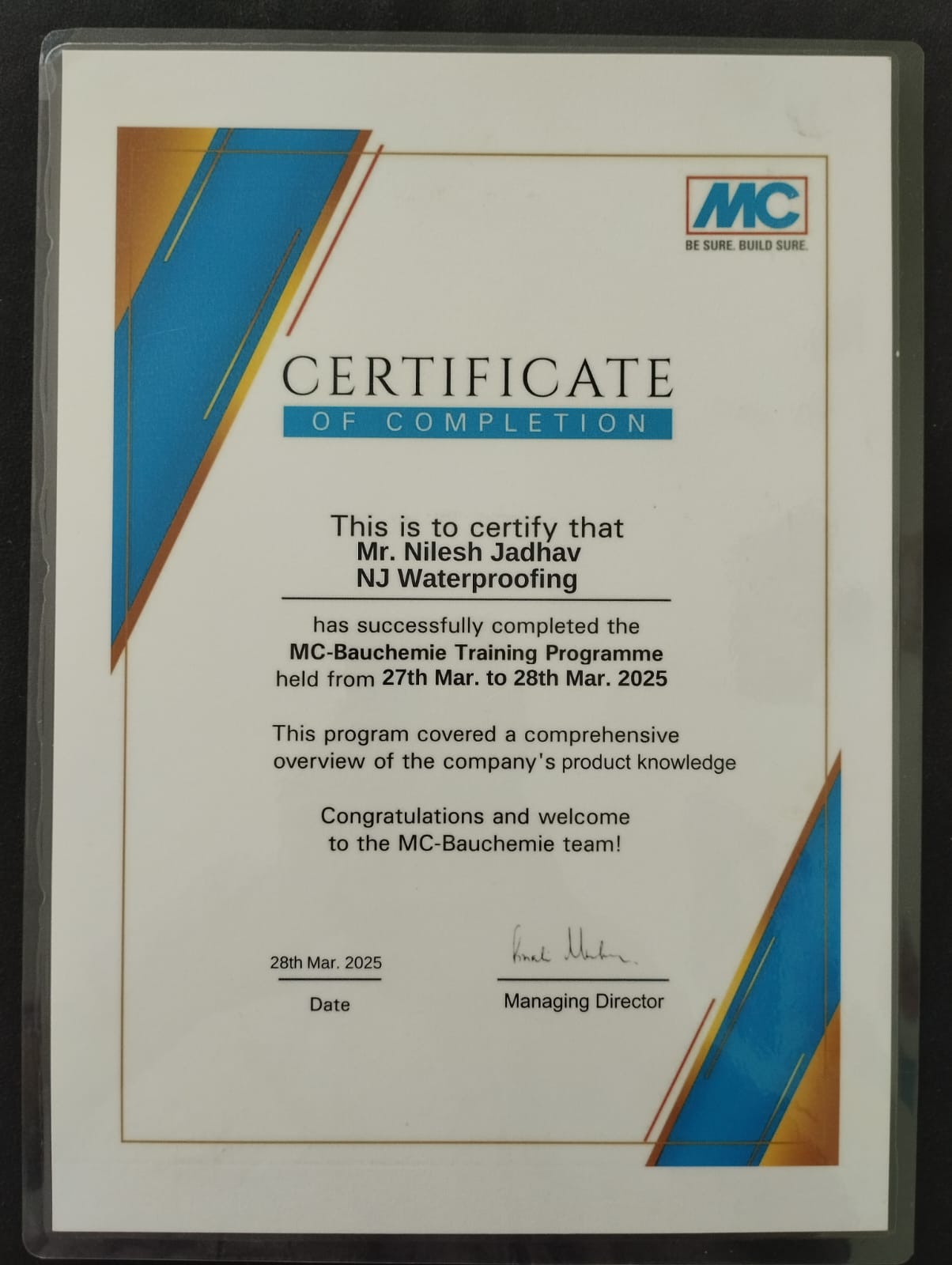
Established in , NJ Waterproof Contractor Pune offers a wide range of waterproofing solutions specializing in PU Pressure Grouting with expertise and guaranteed services. Headquartered in Pune, we have committed to excellence and reliability in every project so far all over Maharashtra .
Our PU Injection Grouting services provide effective solutions for a variety of structures and common problems:
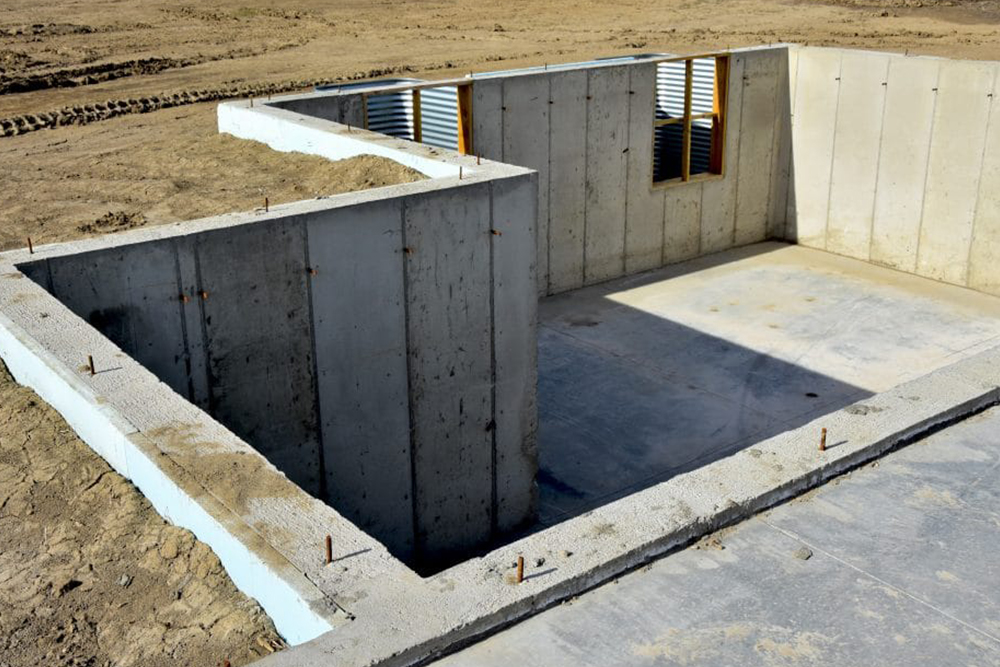
Addressing water seepage through cracks, leaking foundation walls, and dampness causing mold or structural issues.
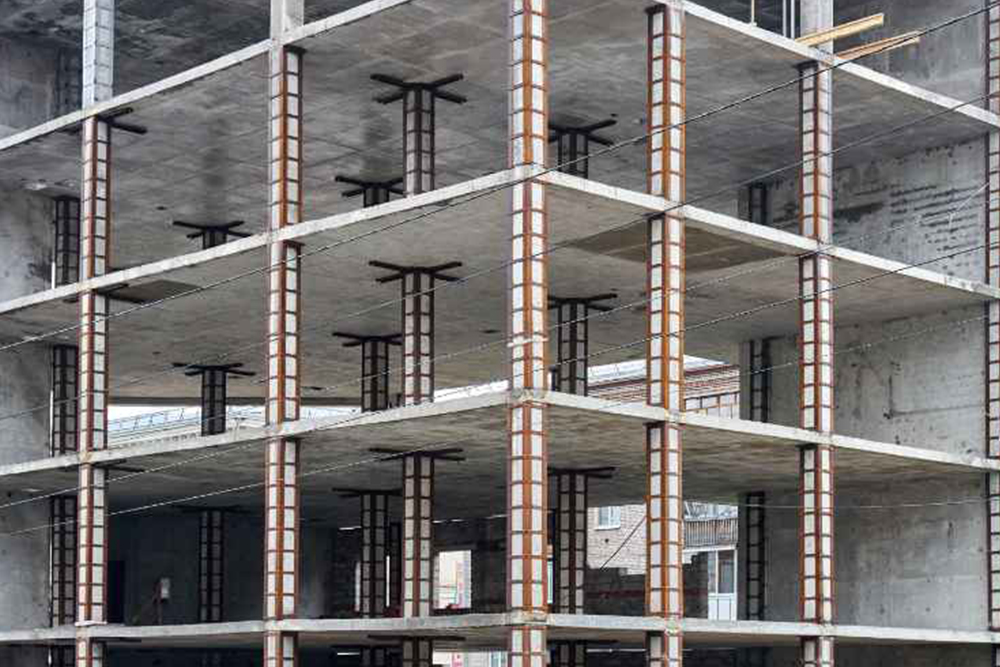
(Walls, Slabs, Columns, Beams): Repairing cracks, voids, and honeycomb structures, restoring integrity, and preventing water ingress.
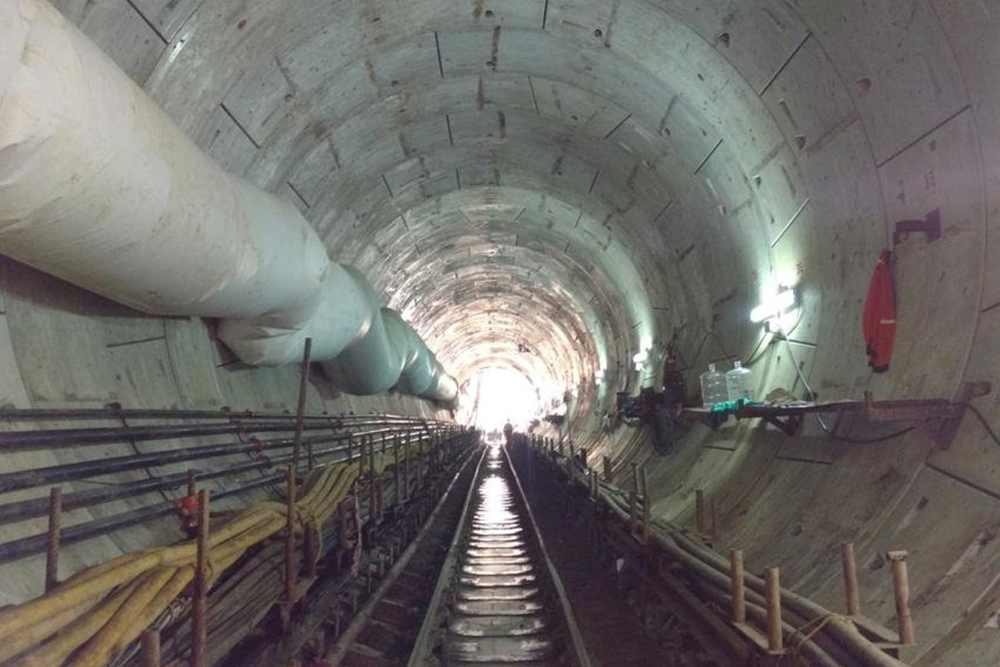
(Tunnels, Metro Lines, Parking Garages): Sealing leaks in tunnel linings, controlling groundwater, waterproofing expansion joints, and reinforcing surrounding structures.
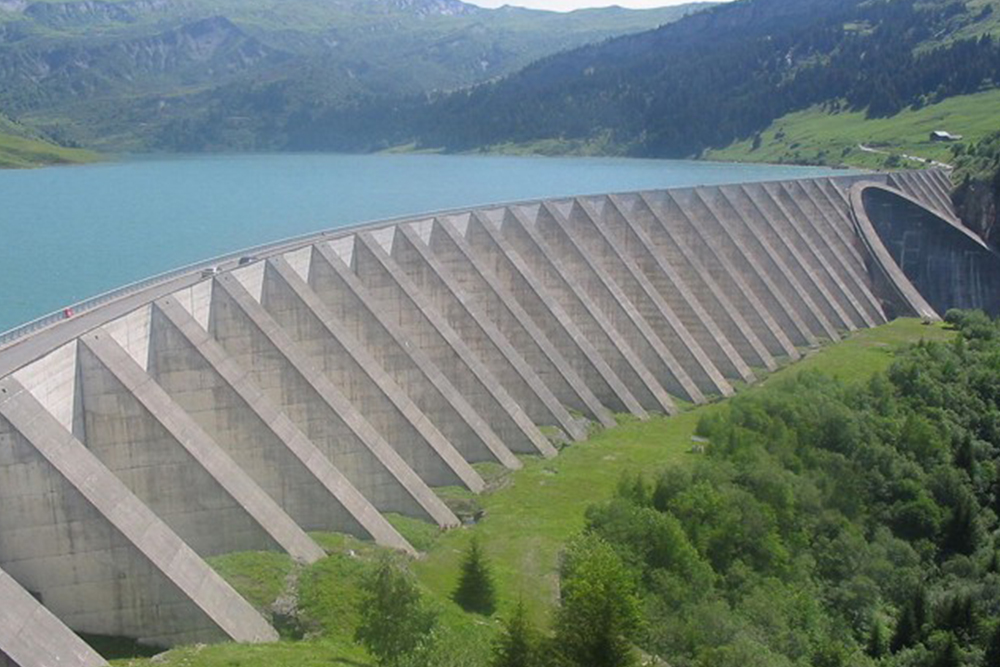
Structures (Dams, Reservoirs, Tanks): Stopping water leakage through the concrete structure or joints and addressing cracks in these crucial elements.
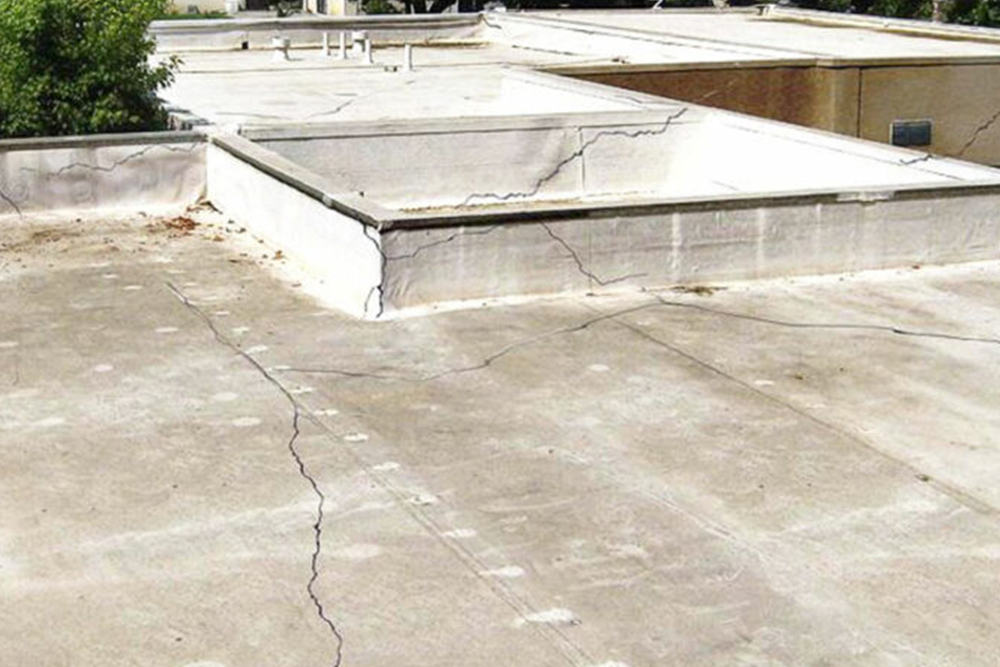
Preventing water leaks caused by cracks and wear, especially in areas exposed to weather.
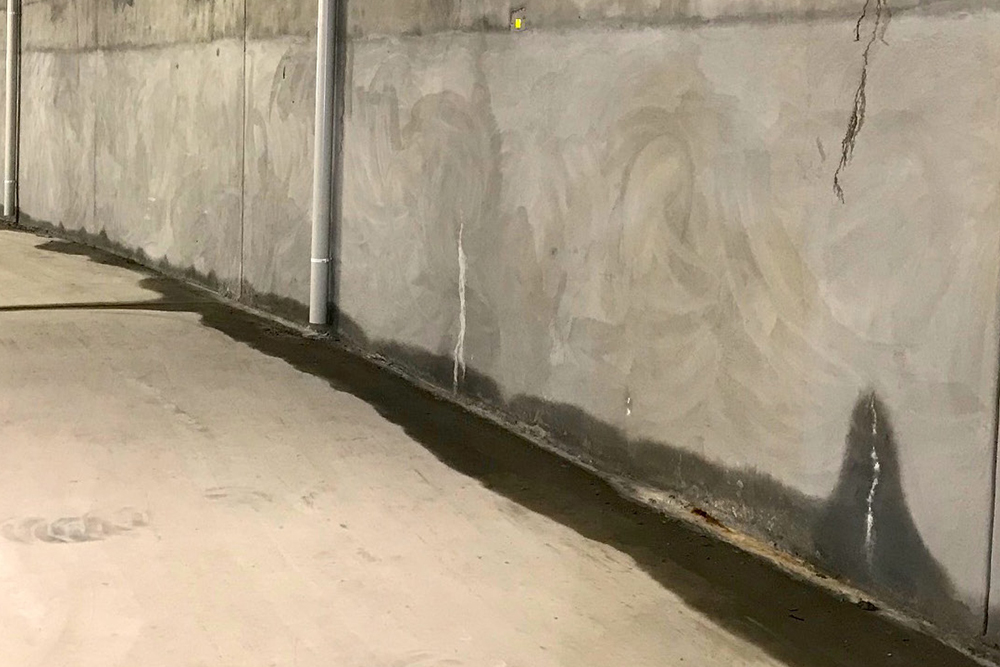
Repairing cracks, filling voids, and preventing moisture ingress in demanding industrial environments.
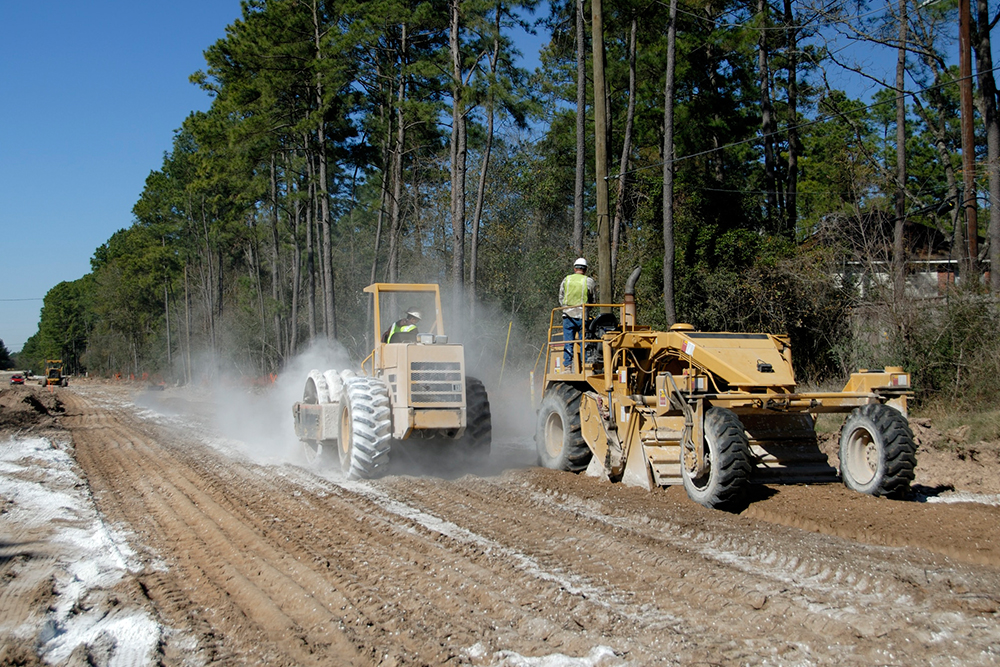
Strengthening loose or weak soil around foundations and slopes to improve stability and prevent settlement.
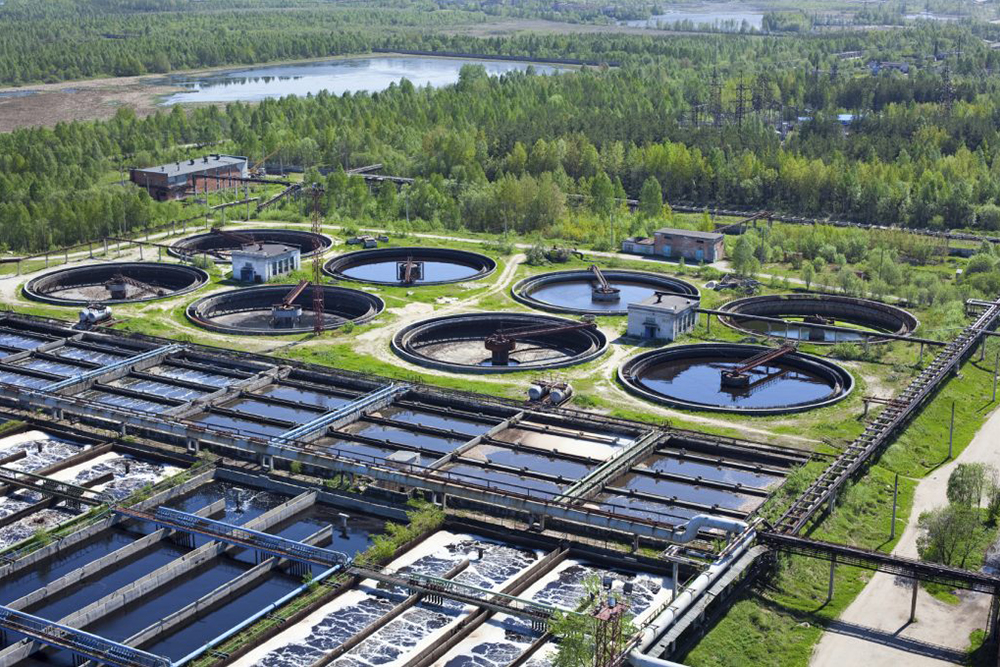
Sealing leaks and cavities in the concrete structures to ensure proper containment and prevent environmental contamination.
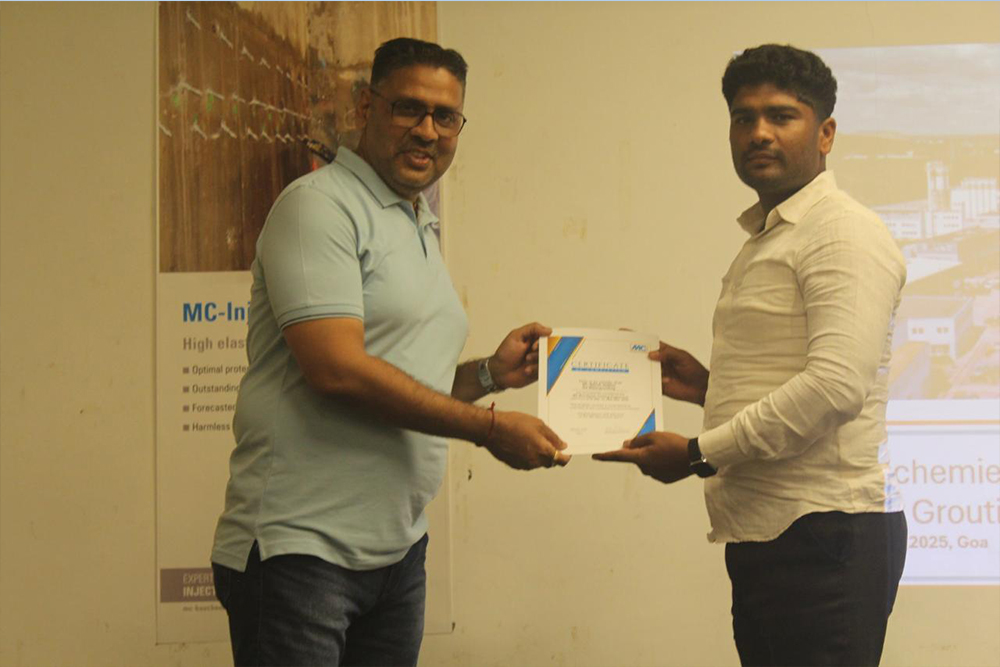

The fundamental principle involves injecting liquid grouting material, such as PU resin, under pressure into the environment or structure. During this process, the grouting material fills fissures and pores. Subsequently, it hardens, thereby connecting disintegrated parts of the rock mass, grains of loose material, or, in the case of concrete, repairing cracks and sealing joints.
In essence, it's a technique that uses pressurised liquid PU resins to fill voids and cracks, solidifying to strengthen and seal the treated material or structure
MC INJEKT GL 95, MC INJEKT 2300 TOP, MC INJEKT 2700, SIKA Injection 201, DE NEEF HA Cut AF, CYH 500, FOSROC Nitofill UR63
MC-Injekt GL-95 TX is a multi-component, soft elastic sealing, polymer-modified, acrylic-based hydro-structural resin.
Elastic Sealing: Used for sealing joints, cracks, and cavities in masonry and concrete in permanent water contact, HDPE membrane bonding, exterior sealing, and creating barriers against rising moisture.
Reaction & Flexibility: Short controllable reaction time (14–125 seconds), highly flexible, reaction retardable with MC-Injekt Retarder GL.
Water Interaction: Swellable (20–30%), impermeable to water.
Properties: Low viscosity, freeze-thaw resistant, excellent bonding, drinking water safe.
Application: Applied with 2-component pump; tools cleanable with water.
Two-component, very low-viscous, polyurethane-based elastomer resin for flexible sealing.
Sealing Applications: Flexible sealing of cracks, joints, and voids under various water conditions; also for potable water structures and moisture barriers.
Reactivity: High reactivity, controlled pores, reaction accelerable with MC-KAT 23.
Properties: Excellent injection properties, watertight, expansion in cracks >11–17%, max ~100%.
Application: Mix 100:111 by weight or 1:1 by volume; injectable via 1- or 2-component pumps; pre-injection may be needed in high-pressure water conditions.
Two-component, low-viscosity, polyurethane-based duromer resin for force-transmitting sealing in concrete, masonry, and subsoil.
Sealing and Reinforcing: For cavities, cracks, rock consolidation, diaphragm walls, drinking water structures, and strong water ingress.
Water Reaction: Cures waterproof; limited foaming when in contact with water.
Controllable Reactivity: Adjustable with MC-KAT 27 catalyst; thixotropy increase possible with MC-Additive ST.
Properties: Low viscosity, long pot life, high compressive/tensile strength.
Application: Mix in 2-component pump head (1:1 by volume) or via 1-component pump without additives.
Very low viscous, elastic, solvent-free polyurethane injection resin for permanent watertight sealing.
Permanent Watertight Sealing: For cracks and joints in concrete, brickwork, natural stone; usable with Sika Fuko System.
Water Interaction: Creates closed watertight pore structure with elasticity.
Properties: Permanently elastic, no shrinkage, penetrates cracks >0.2mm, chemically resistant, environmentally friendly.
Application: Mix Part A:Part B at 2:1 by volume; injectable via single or two-component pumps.
Non-phthalate, single-component, rigid, hydrophobic polyurethane injection grout for high-pressure water leaks.
Water Reaction: Expands and cures quickly to rigid closed-cell foam; reaction controllable via catalyst.
Performance: Enhanced waterproofing, mechanical properties, and durability.
Versatility: For large voids, tunnels, gravel layers, cracks, honeycombs, pre-injections in tunneling.
Properties: High strength, non-flammable, solvent-free, potable water approved.
Application: 1-component; pre-flush cracks with water for better penetration.
Single-component, solvent-free polyurethane injection resin for waterproofing and stone compaction.
Reaction with Water: Forms semi-flexible foam with high volume increase; water aids reaction in dry areas.
Adaptable Reaction Time: 30 seconds–12 minutes via catalyst ratio.
Properties: Rapid, visco-plastic foam; resistant to acids/alkalis; compatible with bitumen.
Application: Ready-to-use; applied with single-component high-pressure pump.
Single-component hydrophobic PU grout.
Versatile Sealing: For defective concrete, tunnels, joints, soil stabilization.
Water Reaction & Expansion: Expands up to 27x volume; forms closed-cell rubber-like foam.
Properties: Good adhesion, movement tolerant, inert after curing.
Appearance: Dark brown liquid; cures light yellow foam.
Solvent-free, two-part polyurethane resin for sealing cracks.
Crack Sealing: Elastic seal for dry or damp cracks; for wet conditions, use with Nitofill WS60.
Properties: Low viscosity, good adhesion, flexible, withstands high hydrostatic pressure.
Application: Mix base and hardener until clear; inject at ≥0.4 N/mm²; seal surfaces with Nitomortar PE before injection if needed.
NJ Waterproof Contractor Pune
Flat No. 1, Bhujbal Niwas, Bhujbal Wasti, Sade Satra Nali Road, beside Amanora Park Town, Malwadi, Hadapsar, Pune 411028
Mail: njcontractors.pune@gmail.com
Contact: +91 7028064790
Understanding Polyurethane Grouting Resins: A Look at the Chemistry Behind the Fix
Polyurethane (PU) grouting has become a go-to solution for improving the mechanical and sealing properties of soil, rock, and various constructions, expanding from its origins in mining to widespread use in civil engineering and geotechnics. At the heart of this versatile technology lies the chemistry of the grouting resins. Let's delve into the three main types of PU grouting materials based on their chemical composition.
This category involves a two-part system that cures into a solid PU resin or foam.
Component A typically consists of a polyol in mixture, which includes polyetherpolyol, catalysts, and various additives.
Component B is made up of isocyanates in mixture, such as methylene diphenyl diisocyanate (MDI), along with its homologues and isomers.
The defining characteristic of these resins is their reaction with moisture present in the environment or the construction they're injected into. What's more, the intensity of mixing does not fundamentally impact the reaction process because a homogeneous solution is formed, leading to consistent curing.
Simpler in application, one-component organic resins are designed to react directly with moisture present in the environment or the structure itself to form an organic resin. These materials are primarily based on prepolymer MDI.
OMRs also comprise two components, but with a distinct chemical makeup:
Component A is a polysiliceous acid, such as sodium water glass, combined with a catalyst and additives.
Component B consists of isocyanates (MDI, its homologues, and isomers), similar to the other two-component system.
The main difference that sets OMRs apart is their inertness to moisture or water, unlike polyol-isocyanate based materials. This characteristic is crucial for applications where water is not desired for the reaction.
For OMR materials, the mixing of the components is particularly critical. Component A (inorganic water glass) and Component B (organic MDI) form an inhomogeneous system. The chemical reaction is significantly improved when the water glass (Component A) is disintegrated into smaller drops within the organic MDI phase, maximising contact between the components. Additives like silicones can assist by lowering the surface tension of the water glass, and optimal results are achieved through ultrasound mixing. The final hardened product is a resin with solid, closed pores of polysiliceous acid gel.
Understanding these chemical distinctions is key to selecting the appropriate PU grouting technology for various geotechnical challenges, ensuring effective strengthening, sealing, and stabilisation.
njcontractors.pune@gmail.com
+91 7028064790
NJ Waterproof Contractor Pune, Flat No. 1, Bhujbal Niwas, Bhujbal Wasti, Sade Satra Nali Road, beside Amanora Park Town, Malwadi, Hadapsar, Pune 411028.